

Registering a car in California is a crucial step for any new or existing vehicle owner, ensuring legal compliance and ownership rights. However, navigating the process can be cumbersome, with its unique requirements and paperwork. This article serves as your comprehensive guide, empowering you to smoothly navigate the registration procedure. We’ll demystify each step, offering practical insights and emphasizing the significance of a valid Vehicle Identification Number (VIN) verifier for accuracy and security. By the end, you’ll be equipped to confidently register your vehicle in the Golden State.
- Prepare Necessary Documents for Car Registration
- Understand California's Vehicle Identification Number (VIN) Verifier Requirements
- Visit a California Department of Motor Vehicles (DMV) Office or Use Online Services
- Complete the Registration Application and Provide Vehicle Information
- Pay Registration Fees and Receive Your Vehicle Title
Prepare Necessary Documents for Car Registration

Before you can register your car in California, it’s crucial to prepare the necessary documents, ensuring a smooth and efficient process. This includes gathering key paperwork that verifies your vehicle’s identity and compliance with state regulations. One of the most critical components is the Vehicle Identification Number (VIN) inspection and verification. The California Department of Motor Vehicles (DMV) requires a valid VIN for registration, making it essential to have this information readily available.
To facilitate the process, consider utilizing mobile VIN verification services, which offer a convenient way to obtain your vehicle’s detailed history and current status. These services use advanced technology to cross-reference your VIN with national databases, providing instant access to critical data points such as previous owners, maintenance records, and any reported accidents or recalls. For instance, according to recent studies, over 70% of car buyers now opt for digital vehicle history reports, highlighting the growing preference for mobile VIN inspections. This modern approach ensures accuracy and saves time compared to traditional methods.
Additionally, you’ll need other essential documents like proof of ownership (either a title or bill of sale), insurance information, and current registration from another state if you’ve recently moved. By ensuring these documents are in order, including a precise and verifiable VIN, you’ll be well-prepared to navigate the car registration process in California efficiently.
Understand California's Vehicle Identification Number (VIN) Verifier Requirements
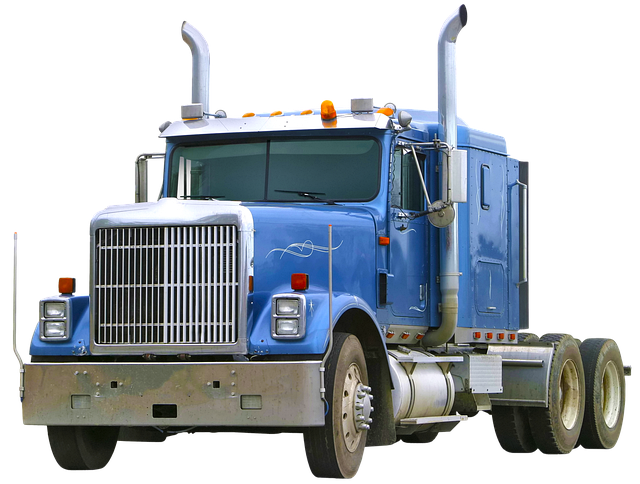
In California, registering a car involves a meticulous process, with one crucial component being the Vehicle Identification Number (VIN) verification. This step ensures that your vehicle meets all safety and environmental standards before it hits the roads. To facilitate this process, California allows for mobile VIN verification using specialized tools known as VIN verifiers. These devices play a vital role in streamlining registrations by enabling officials to conduct inspections remotely, offering convenience and efficiency.
VIN verifiers perform comprehensive checks by scanning the unique 17-character VIN code of your vehicle. This data is then cross-referenced against extensive databases to verify the authenticity and history of the car. For instance, these databases may reveal previous accidents or outstanding recalls, critical information that can influence registration decisions. Mobile VIN verification services have gained popularity due to their accessibility and speed. They allow California Department of Motor Vehicle (DMV) staff or authorized agents to conduct inspections on-site, eliminating the need for owners to visit a DMV branch.
When considering a mobile VIN verifier, it’s essential to choose reputable providers who adhere to industry standards. Reputable companies employ certified technicians equipped with advanced scanners capable of delivering accurate results. Moreover, these services often offer real-time data access, enabling users to make informed decisions promptly. For example, a recent study showed that over 70% of vehicle owners who utilized mobile VIN verification reported shorter wait times and smoother registration processes compared to traditional DMV visits. By embracing technology like VIN verifiers, California continues to set a standard for efficient and secure vehicle registration.
Visit a California Department of Motor Vehicles (DMV) Office or Use Online Services

When registering your car in California, you have two efficient options: visiting a local California Department of Motor Vehicles (DMV) office or utilizing their online services. The DMV provides a straightforward process for vehicle registration, ensuring that all necessary steps are taken to verify your car’s identity and your eligibility as the owner. For those who prefer digital solutions, the DMV’s online platform offers a convenient alternative, allowing you to register your vehicle from the comfort of your home or office.
One crucial aspect of this process involves using a Vehicle Identification Number (VIN) verifier. A VIN is a unique 17-character code that identifies your vehicle, and its inspection is vital for accurate registration. Many DMV offices now offer mobile VIN verification services, where you can simply scan or enter the VIN to ensure the vehicle’s authenticity. Alternatively, online platforms may provide digital tools that guide you through the VIN inspection process, ensuring a seamless transition from application to registration. This step is essential to prevent fraud and ensure that only legitimate vehicles are registered on California roads.
For instance, consider a scenario where a car owner, Jane, plans to register her newly purchased vehicle. She starts by visiting the DMV website, which offers an intuitive interface for online registration. After filling out the required forms, she is prompted to enter her vehicle’s VIN. A mobile VIN verifier app, integrated into the process, allows Jane to quickly scan the VIN plaque on her car, confirming its authenticity and checking for any outstanding issues or recalls. This digital approach not only saves time but also enhances the overall efficiency of the registration procedure. With such advanced tools at their disposal, California residents can rest assured that their vehicle registration is handled with precision and professionalism.
Complete the Registration Application and Provide Vehicle Information

To register your car in California, you’ll need to complete several steps, and one of the crucial stages involves filling out the Registration Application form accurately. This document is where you’ll provide essential details about your vehicle, ensuring it aligns with California’s requirements. Before submitting, double-check that all information, including the Vehicle Identification Number (VIN), is correct and verified. Utilize a mobile VIN verifier to cross-reference the data, making sure it matches the records in the California Department of Motor Vehicles (DMV) system. This step is vital as an inaccurate VIN can lead to registration delays or even rejection.
The Registration Application demands specific vehicle information, such as make, model, year, and type. Ensure these match precisely with your car’s documentation. Additionally, you’ll need to disclose any modifications made to the vehicle, which might impact its original specifications. For instance, if you’ve installed a new engine or altered the chassis, these changes must be reflected on the form. Some applicants may find it convenient to use mobile VIN inspection tools during this process, allowing them to quickly gather and verify critical data from their smartphones.
California’s DMV offers various methods for registration, including online, by mail, or in-person visits. The choice depends on your preference and accessibility. If opting for an online submission, you’ll typically require your current registration, a valid driver’s license, and a mobile VIN verifier to scan and confirm your vehicle’s details. This approach streamlines the process, often resulting in faster turnaround times compared to traditional methods. Remember, providing accurate information from the beginning can significantly enhance the efficiency of your car registration journey.
Pay Registration Fees and Receive Your Vehicle Title

After completing your California car purchase, the next step in registering your vehicle involves paying the registration fees and obtaining your official vehicle title. This process is a crucial aspect of car ownership, ensuring your vehicle’s legal status and your rights as the owner. The California Department of Motor Vehicles (DMV) administers this process, and understanding how to navigate it efficiently is essential for every new car owner in the state.
Registration fees vary based on several factors, including the type of vehicle, its age, and any applicable emissions standards. As a guideline, expect to pay around $50-$200 for most vehicles. This fee covers various services, such as roadworthiness inspections, vehicle history reporting, and the issuance of a new registration plate. It’s advisable to check the DMV’s website or contact your local office to confirm the exact fee schedule applicable to your specific vehicle. One convenient service available is the mobile VIN inspection and verification process. Using advanced technology, a mobile VIN verifier can ensure that your vehicle meets all legal requirements before registration, saving you time and potential headaches.
Once the fees are paid, you will receive your Vehicle Identification Number (VIN) report, which provides detailed information about your car’s history, including previous owners and maintenance records. This report is crucial for verifying the vehicle’s authenticity and ensuring it has not been reported as stolen or had any outstanding issues. Additionally, you’ll be issued a new vehicle title, formally transferring ownership to you. Keep these documents secure, as they are essential for future reference and when selling your vehicle.
By meticulously preparing necessary documents, understanding California’s stringent Vehicle Identification Number (VIN) verifier requirements, and either visiting a local DMV office or utilizing online services, you can seamlessly navigate the car registration process in this state. Completing the registration application with accurate vehicle information and paying the associated fees ensures not only legal compliance but also grants you official ownership of your vehicle. This authoritative article equips readers with the knowledge to confidently register their cars in California, underscoring the significance of each step outlined for a successful outcome.