

Registering a car in California is a vital step for any new or existing vehicle owner, ensuring legal compliance and ownership protection. However, navigating the process can be challenging, given the state’s stringent requirements and complex paperwork. This comprehensive guide aims to demystify the entire procedure, offering expert insights on every step, including crucial elements like Vehicle Identification Number (VIN) verification. By following these detailed instructions, you’ll gain confidence in successfully registering your vehicle, ensuring a smooth and stress-free experience.
- Understanding California Car Registration Requirements
- Gathering Necessary Documents for Registration
- Locating Your Vehicle's Unique VIN Number
- Completing the California Car Registration Application
- Submitting and Paying for Your Registration
Understanding California Car Registration Requirements

Registering a car in California involves more than just filling out paperwork; it requires understanding specific state regulations and ensuring your vehicle meets safety and environmental standards. One crucial aspect to grasp is the importance of Vehicle Identification Number (VIN) verification during the registration process. This step ensures that your vehicle’s unique identifier matches the records, preventing fraud and ensuring compliance.
California law mandates a thorough inspection of vehicles before registration, which includes a VIN verification process. This can be completed through traditional means by visiting a local DMV office or, for added convenience, many residents opt for mobile VIN inspection services. These services send a professional to your location to conduct the necessary checks, including VIN inspection, using specialized equipment. For instance, some companies offer real-time data access, allowing them to cross-reference your vehicle’s information with state records during the mobile vin verifier process, streamlining the entire registration experience.
During this verification, key details are examined—the VIN itself, engine numbers, and other identifiers. This step is vital as it helps identify any discrepancies or potential issues like odometer rollback fraud, which has been a growing concern in recent years. According to state statistics, over 13,000 cases of odometer fraud were reported in California in 2022, highlighting the significance of robust verification methods like mobile VIN inspections. To safeguard against such practices, ensure that your vehicle’s records are accurate and up-to-date before initiating the registration process, making it a seamless and secure experience for all involved.
Gathering Necessary Documents for Registration
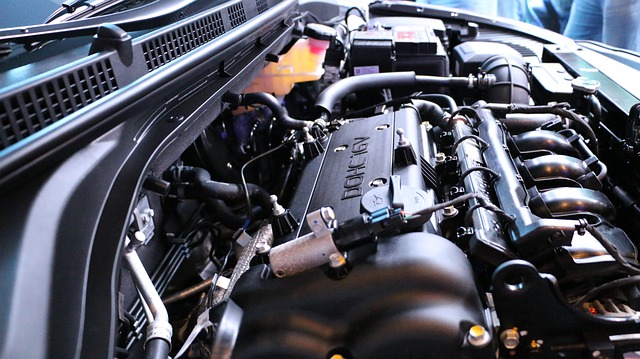
Registering a car in California involves a meticulous process, and one of the critical initial steps is gathering all the essential documents. This phase sets the foundation for a seamless registration experience. Key among these documents is the Vehicle Identification Number (VIN) verification, which serves as a unique fingerprint for your vehicle. In today’s digital landscape, many Californians opt for efficient solutions like mobile VIN inspection and verification services to streamline this process.
A valid and up-to-date VIN is indispensable during registration. It not only ensures the accuracy of your car’s details but also plays a vital role in preventing fraud and theft. Many vehicles in California have undergone VIN verification using advanced mobile vin verifier tools, making it easier for both owners and registration officials to confirm authenticity. For instance, the California Department of Motor Vehicles (DMV) offers online resources to guide applicants through the necessary steps, including gathering the correct paperwork and conducting a successful VIN verification.
When preparing your documents, ensure that each piece is current and accurate. This includes vehicle ownership records, insurance proofs, and any history of title transfers. Additionally, some local registration centers may require a mobile vin inspection for on-site verification, further emphasizing the importance of having these details readily available. A proactive approach to gathering these documents can significantly reduce potential delays during registration, ensuring a smooth transition for California residents as they add their new vehicles to official records.
Locating Your Vehicle's Unique VIN Number

Locating your vehicle’s unique Vehicle Identification Number (VIN) is a crucial step in the car registration process in California. Every car manufacturer assigns this 17-character code to each vehicle, serving as a digital fingerprint for identification and tracking purposes. It’s vital that you obtain an accurate VIN before proceeding with registration to ensure compliance with state regulations. The best way to verify your vehicle’s VIN is through a thorough inspection of the vehicle itself or by utilizing reliable mobile VIN verification services.
When inspecting your car, look for the VIN on the vehicle identification plate (VIN plate), typically located on the driver’s side door frame or near the brake pedal. This plate should display the 17 characters, including letters and numbers, arranged in a specific pattern. If you’re having difficulty locating it or if the plate is damaged, consult your vehicle’s owner manual or contact your manufacturer for assistance. Another option is to use a mobile VIN verifier—applications designed to scan and verify VINs through your smartphone camera—which offers a quick, convenient way to confirm your car’s identity without leaving home.
Accurate VIN verification is essential not only for registration but also for insurance, maintenance records, and future ownership transfer. In California, as in many states, a valid VIN inspection is required before registering a vehicle. With the help of modern technology, such as mobile VIN verification apps, you can easily navigate this step, ensuring your car’s information remains accurate and accessible throughout its lifecycle.
Completing the California Car Registration Application

Completing the California Car Registration Application is a crucial step in ensuring your vehicle complies with state regulations. The process begins by gathering essential documents, including proof of insurance, a valid driver’s license, and the Certificate of Title (if applicable). Once these are prepared, the next critical task is accurately filling out the application form, which can be obtained from the California Department of Motor Vehicles (DMV) website or picked up in person.
A key component of this process involves vin verification. This ensures the accuracy of your vehicle’s identification number (VIN). You can complete this step through various methods, including traditional vin inspection at a DMV office or opting for mobile vin verification services. The latter offers convenience by allowing inspections to be conducted at your location, which can be particularly useful if you have limited mobility or are managing a fleet of vehicles. Several reputable companies provide this service, often utilizing advanced technology for quick and accurate results.
When filling out the application, ensure every detail is correct, from the VIN to ownership information. Mistakes or discrepancies could delay registration. After submitting the form and associated documents, including proof of vin inspection, you’ll typically receive your registration papers in the mail within a few weeks. This process guarantees that your vehicle is officially registered and ready for road use, in compliance with California’s stringent regulations.
Submitting and Paying for Your Registration

Registering a car in California involves several crucial steps, and one of the critical phases is submitting and paying for your registration. After gathering all necessary documents and ensuring your vehicle meets state standards, it’s time to take this essential step. The process begins with verifying the Vehicle Identification Number (VIN), which is a unique code that identifies your specific vehicle. This step is vital for ensuring the accuracy of your registration and is often done through a VIN inspection or verification service.
For instance, many California residents opt for mobile VIN verification services, where a professional inspector comes to your location to perform the check. This method is convenient and efficient, especially considering that some traditional car dealerships still rely on in-house VIN inspections, which can lead to delays. A simple online search for “mobile vin verifier” or “VIN inspection California” will yield numerous local service providers. These services use specialized tools to cross-reference your VIN with state databases, ensuring its authenticity and checking any reported issues.
Once your VIN is verified, you can proceed with the registration application. This typically involves completing an application form, providing proof of insurance, and paying the registration fee. The California Department of Motor Vehicles (DMV) offers various payment methods, including credit cards and checks, ensuring a straightforward process for most owners. However, it’s essential to double-check the required fees, as they may vary based on your vehicle type and age. After submitting all necessary documentation and making the payment, you’ll receive your registration documents, officially registering your car in the Golden State.
By following these straightforward steps, from understanding California’s car registration requirements to submitting your application with the correct VIN verification, you can ensure a smooth and efficient registration process. Gathering and organizing necessary documents ahead of time is key, as is locating your vehicle’s unique VIN number – a critical component for accurate VIN verification. With these essential insights from our comprehensive guide, you’re now equipped to navigate California’s car registration process with confidence, ensuring your vehicle complies with state regulations and you hit the road legally and securely.