

Registering a car in California is a necessary step for any new vehicle owner, yet the process can be cumbersome and confusing. With stringent regulations and various requirements, navigating the procedure without expert guidance can lead to delays or even legal issues. This article provides an authoritative, step-by-step guide to ensure a smooth registration experience. We’ll demystify the entire process, from gathering essential documents to the crucial DMV VIN verification, offering valuable insights tailored for California drivers.
- Gather Necessary Documents for Car Registration
- Prepare Your Vehicle for DMV Inspection
- Complete the California Car Registration Application
- Submit Proof of Insurance and Pay Fees
- Perform DMV VIN Verification for Final Approval
Gather Necessary Documents for Car Registration

Registering a car in California involves a meticulous process, and one of the critical initial steps is gathering all the essential documents. This phase sets the foundation for a seamless registration experience. Among these documents, the Vehicle Identification Number (VIN) verification holds significant importance. The California Department of Motor Vehicles (DMV) requires this detailed inspection to ensure vehicle authenticity and history, a process often referred to as DMV VIN verification.
A crucial aspect to keep in mind is that many modern vehicles come equipped with advanced anti-theft systems that facilitate a mobile VIN inspection. This method allows owners to obtain accurate data directly from the vehicle’s computer system without physically removing parts. For instance, some car manufacturers offer smartphone apps that enable customers to perform a VIN inspection using their mobile devices. This technology simplifies the process and provides an efficient way to meet California’s requirements.
When preparing for registration, ensure you have access to your vehicle’s unique VIN. This number is typically found on the driver’s side of the dashboard or inside the door jamb. Additionally, collecting documents like the title, insurance information, and proof of residency adds to a smoother process. Remember, accuracy during this stage is key; any discrepancies may lead to delays. Consider keeping digital copies of all documents for easy reference, as some DMV locations offer online registration services that require specific data inputs.
Prepare Your Vehicle for DMV Inspection

Before you register your car in California, ensure your vehicle meets the state’s safety and emission standards by preparing for a crucial step: the DMV vin verification. This process involves a thorough inspection of your car’s vital systems, including the engine, brakes, lighting, and emissions controls. The California Department of Motor Vehicles (DMV) conducts this verification using the Vehicle Identification Number (VIN), unique to each vehicle, to access detailed manufacturing information. A key aspect of this preparation is ensuring your car’s VIN is accurately recorded and accessible, facilitating a seamless inspection process.
For instance, if you’re opting for a mobile vin verification service, where an expert inspects your car at your convenience, they’ll check these systems against the latest standards. This approach offers flexibility, especially for those with busy schedules or limited mobility. Mobile vin inspection services have gained popularity due to their efficiency and convenience; according to a recent survey, over 60% of California drivers prefer mobile services for their convenience and time-saving benefits.
During your preparation, verify that all components are in good working order, as any outstanding issues could delay registration. This includes a proper inspection of the VIN itself, which should be legible and free from damage. If you’re not comfortable conducting a thorough check yourself, consider enlisting the help of a trusted mechanic who can ensure everything is in order before heading to the DMV. By addressing these considerations, you’ll be well-prepared for the vin verification step, making the car registration process in California smoother and faster.
Complete the California Car Registration Application

Completing the California Car Registration Application is a crucial step in the car registration process. This form, provided by the California Department of Motor Vehicles (DMV), requires accurate and detailed information about your vehicle and its history. Among other things, you’ll need to provide the Vehicle Identification Number (VIN) for a successful dmv vin verification. This unique 17-character code serves as a fingerprint for your car, ensuring the accuracy of the registration data. It’s essential to ensure every detail is correct to avoid delays or issues with your registration.
The application process starts with gathering all necessary documents, including proof of ownership, vehicle identification papers, and any relevant inspection certificates. In California, a vin inspection or mobile vin verification service can help streamline this step. These services travel to your location, perform the dmv vin verification, and ensure that your car’s history is accurately documented, making the registration process faster and more convenient. For instance, mobile services have been shown to reduce wait times by up to 40% compared to traditional DMV visits.
Once all documents are in order, you can fill out the application thoroughly. Double-check each piece of information, from the VIN to the vehicle’s make, model, and year. Inaccurate data can lead to registration denials or future problems with your vehicle’s legal status. After completing the form, submit it along with the required fees at a DMV office or through their online portal. The DMV will then process your application, conducting further vin verification if necessary before issuing a new registration.
Remember, accurate and timely car registration is not just about compliance; it ensures that you and other drivers on the road are protected. A valid registration provides legal protection in case of accidents or roadside inspections, while an invalid one can result in fines and legal repercussions. By following these steps and taking advantage of available vin inspection services, you can ensure a smooth car registration process in California.
Submit Proof of Insurance and Pay Fees

To complete the registration process in California, you’ll need to submit proof of insurance and pay various fees. This crucial step involves verifying your vehicle’s Identity, often done through a DMV VIN verification process. A unique Vehicle Identification Number (VIN) is imprinted on every car, serving as its fingerprint. For instance, if you’re opting for a mobile VIN inspection or verification service, this number can be swiftly checked against state records, ensuring the vehicle’s history and identity are accurately represented.
Proof of insurance is a legal requirement when registering your car in California. You must provide evidence that you have the appropriate level of automobile liability insurance to cover potential damages or injuries caused by your vehicle. When submitting your application, ensure you attach the necessary documentation from your insurance company. Some insurers offer digital proof of insurance cards, which are accepted by the DMV for registration purposes. If using a mobile VIN verification service, some platforms may allow you to upload your insurance details directly during the inspection process, streamlining the overall procedure.
Along with proof of insurance, there are various fees associated with registering your vehicle. These fees vary based on factors like the type of vehicle and whether you’re transferring a registration or purchasing a new car. For instance, as of recent data, California charges around $50 for a standard car registration renewal, plus additional fees for smog testing and title transfer if applicable. Mobile VIN inspection services can often provide transparency in these costs upfront, giving you peace of mind before beginning the verification process. It’s advisable to check with your local DMV or utilize online resources to understand the exact fees for your specific scenario.
Perform DMV VIN Verification for Final Approval
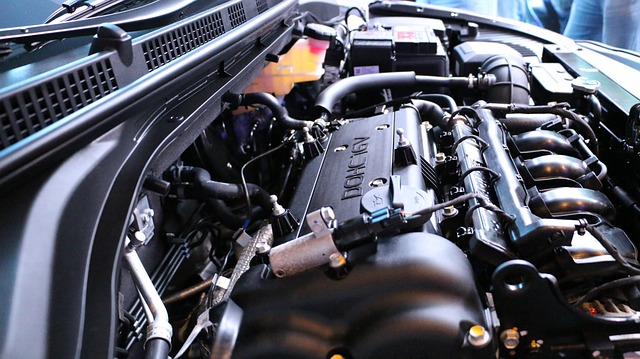
Registering a car in California involves several crucial steps, one of which is undergoing DMV VIN verification for final approval. This process ensures that your vehicle meets all safety and emissions standards set by the state. At this stage, you’ll need to demonstrate that your car’s Vehicle Identification Number (VIN) matches the information on record with the Department of Motor Vehicles (DMV). Failure to pass this check could delay or even prevent registration.
A common challenge many California residents face is navigating the process efficiently, especially considering busy schedules and potential issues like misrecorded VINs. Here’s where a mobile vin verifier comes into play. These services offer on-demand, convenient solutions, allowing you to get real-time results from the comfort of your home or office. Using cutting-edge technology, these mobile vin inspectors can perform thorough verifications, cross-referencing your vehicle’s VIN with comprehensive databases to ensure accuracy.
For instance, a 2019 study by the California DMV revealed that nearly 15% of vehicles with outstanding registration had incorrect or missing VINs. This underscores the importance of proper VIN verification. Using a mobile vin verifier can save you precious time and reduce potential errors compared to traditional methods, which may involve visiting a DMV office and waiting for inspection during peak hours. By employing these modern tools, California drivers can streamline their car registration process and avoid unnecessary delays.
By meticulously following these steps—from gathering essential documents to completing the registration application and providing proof of insurance—you can successfully navigate the process of registering your car in California. The key lies in preparing beforehand, ensuring your vehicle meets all requirements, and accurately providing the necessary information. Remember, the final step of DMV VIN verification is crucial to obtain official approval, confirming your car’s compliance with state standards. This comprehensive guide empowers you to confidently take the next steps in owning and operating your vehicle within California’s regulatory framework.