

Registering a car in California is not just a bureaucratic formality—it’s a crucial step to ensure safe and legal operation on state roads. However, navigating the process can be confusing, with various requirements and potential pitfalls along the way. This article serves as your authoritative guide, equipping you with the knowledge needed to seamlessly register your vehicle, including the essential DMV VIN verification process. By following these detailed steps, you’ll not only avoid common mistakes but also confidently ensure your car’s compliance with California regulations.
- Gather Required Documents for Car Registration
- Prepare Your Vehicle for DMV Inspection
- Understand the DMV VIN Verification Process
- Complete the California Car Registration Application
- Submit and Pay for Your Car Registration
Gather Required Documents for Car Registration

Registering a car in California involves several steps, and one of the most crucial is ensuring you have all the necessary documents ready for a smooth process. The California Department of Motor Vehicles (DMV) requires specific paperwork, including proof of ownership, identification, and vehicle specifications. Among these, the Vehicle Identification Number (VIN) plays a pivotal role in the registration procedure. It serves as a unique fingerprint for your car, enabling accurate identification during the dmv vin verification process.
To initiate the registration journey, gather important documents such as the certificate of title or bill of sale from the previous owner(s). This document must include the VIN, ensuring its legibility and accuracy. Additionally, bring along a valid driver’s license or state-issued ID card. If you’ve recently purchased the vehicle, the dealer should provide you with necessary forms and documentation, including a temporary registration permit. For those who own classic cars or vehicles over 25 years old, specific additional documents may apply, so it’s advisable to check with the DMV for any unique requirements.
A mobile vin verifier can be particularly useful in this process, as it allows you to quickly and easily verify your vehicle’s VIN accuracy. This modern tool eliminates potential errors during the vin inspection, ensuring a faster registration experience. Many mobile apps offer this service, providing a convenient way to check your car’s history before heading to the DMV. By preparing these documents in advance, you’ll be well-equipped to navigate the registration process efficiently.
Prepare Your Vehicle for DMV Inspection

Before you register your car in California, ensure your vehicle is ready for the state’s stringent inspection process. The California Department of Motor Vehicles (DMV) requires a thorough examination to verify that your car meets safety and emissions standards. One critical aspect of this process is the DMV VIN verification, which ensures the vehicle’s identity and history are accurate. This step is crucial, as it helps prevent fraud and ensures you’re providing the correct information.
To streamline this process, consider using a mobile VIN verifier or mobile VIN inspection service. These services offer convenient, on-site testing, eliminating the need to visit a DMV field office. A mobile verifier can quickly scan your Vehicle Identification Number (VIN) and access real-time data, including historical maintenance records and collision reports. This technology ensures that your car passes the DMV’s scrutiny with flying colors. For instance, a study by the California Auto Repair Association found that up to 20% of vehicles fail inspection due to incorrect or incomplete VIN information, highlighting the importance of accurate record-keeping.
During preparation, ensure all documentation is in order, including registration papers, proof of insurance, and any repair records. Verify that your car’s mileage matches the documented service history. A mobile VIN inspection can also help identify potential issues before the DMV check, allowing for timely repairs and a smoother registration process. By combining meticulous record-keeping with modern verification tools, you’ll be well on your way to successfully registering your vehicle in California.
Understand the DMV VIN Verification Process

Registering a car in California involves several crucial steps, one of which is the DMV VIN verification process. This step ensures that your vehicle meets all safety and environmental standards before it can be legally operated on state roads. The California Department of Motor Vehicles (DMV) conducts this verification through various methods, with mobile VIN verifiers playing an increasingly significant role in streamlining the process.
A mobile VIN verifier is a specialized tool used by DMV inspectors to cross-reference a vehicle’s unique Vehicle Identification Number (VIN) against their databases. This inspection can be conducted at your convenience, whether at a DMV field office or even at your location using a mobile service. The process typically involves scanning the VIN barcode, which is usually located on the driver’s side of the dashboard near the window. The data is then transmitted to the DMV system for real-time verification. This method not only saves time but also offers increased flexibility, catering to those who may have difficulty visiting a traditional DMV office.
For instance, according to recent studies, mobile VIN verification has shown significant benefits in terms of efficiency and customer satisfaction. Many California residents appreciate the convenience of having their car’s registration sorted without the hassle of long queues at DMV branches. Moreover, mobile vin inspectors can identify potential issues early on, such as outstanding safety recalls or title discrepancies, preventing dangerous vehicles from taking to the road. By embracing these modern verification methods, the DMV enhances its services while ensuring that California’s roads remain safe for all users.
Complete the California Car Registration Application
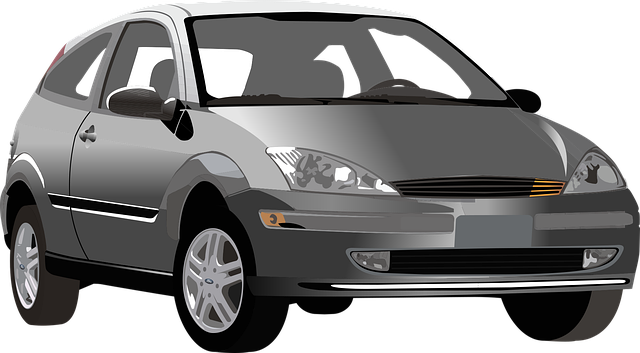
Completing the California Car Registration Application is a crucial step in ensuring your vehicle complies with state regulations. This process involves gathering essential documentation and providing accurate information to the Department of Motor Vehicles (DMV). One critical component of this application is the Vehicle Identification Number (VIN) verification, which plays a vital role in establishing ownership and the vehicle’s history.
For instance, when applying for registration, you’ll need to provide the VIN from your vehicle’s chassis. This unique 17-character code can be found on the vehicle’s certificate of origin or by checking the label on the driver’s side door jamb. A mobile VIN inspection service can significantly streamline this process, as these professionals utilize specialized tools to swiftly verify the VIN during your convenience, whether at home or work. By opting for a mobile vin verification service, you eliminate the need for an in-person visit to the DMV, saving time and effort.
The California DMV prioritizes accurate VIN data to combat fraud and ensure safety. Therefore, it’s essential to double-check the information before submitting your application. Inaccurate or incomplete VIN details can lead to delays or even rejection of your registration request. Remember, a mobile vin inspection not only saves you time but also ensures that your vehicle’s history is accurately represented, which is a key aspect of responsible car ownership.
Submit and Pay for Your Car Registration
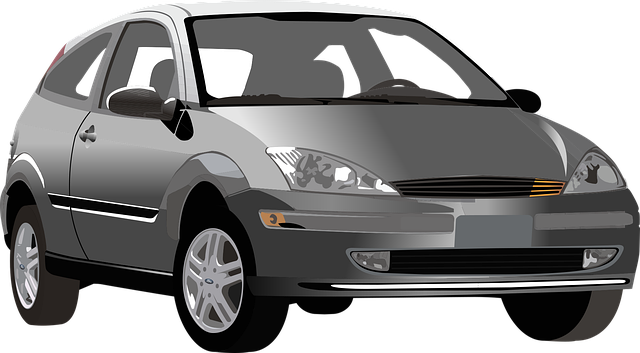
To complete the registration process for your car in California, you’ll need to submit and pay for your vehicle’s registration. This involves a series of straightforward steps that ensure your car meets all legal requirements on California roads. First, gather all necessary documents, including your vehicle’s registration application (Form DV304), proof of insurance, and payment for the registration fee. The California Department of Motor Vehicles (DMV) emphasizes the importance of accurate information and proper documentation to facilitate a smooth process.
Once prepared, you can submit your application online through the DMV website or in person at a local DMV office. An alternative method gaining popularity is the use of mobile vin verification services that conduct a VIN inspection remotely. These services offer convenience by allowing you to complete the initial verifications from the comfort of your home or office before visiting a DMV center. The VIN (Vehicle Identification Number) is a unique code that can be quickly checked for accuracy, ensuring your vehicle’s history and authenticity.
When submitting your application, ensure all information is correct and up-to-date. Inaccurate data may lead to delays or issues with registration approval. After submission, you’ll typically receive your registration certificate by mail within a specified timeframe. It’s crucial to maintain accurate records of your car’s registration and insurance throughout its ownership period to avoid any legal complications or penalties. By following these steps and considering modern alternatives like mobile VIN inspection, you can efficiently complete the registration process for your California vehicle.
By systematically navigating the process of gathering required documents, preparing your vehicle for inspection, understanding the DMV’s VIN verification process, completing the registration application, and submitting with payment, you’ve equipped yourself to register your car in California with confidence. The key insights gained from this article empower you to streamline a potentially complex task, ensuring compliance and peace of mind. Remember, accurate documentation, meticulous preparation, and a clear understanding of the DMV VIN verification process are cornerstones for a successful registration experience.