

Registering a car in California is not just a bureaucratic formality; it’s a crucial step to legally operate your vehicle on state roads. However, navigating the process can be challenging, especially with complex regulations and paperwork. This comprehensive guide aims to demystify the car registration journey. We’ll walk you through each step, ensuring you understand the requirements and offering practical tips for a smooth experience. From gathering essential documents to using reliable resources like a VIN verifier, we empower you to successfully register your vehicle in California with confidence.
- Prepare Required Documents for Car Registration
- Verify Vehicle Identity with VIN Checker
- Meet Eligibility Criteria for California Car Registration
- Submit Application & Pay Fees at the DMV
- Receive Your Vehicle Registration & License Plate
Prepare Required Documents for Car Registration

Before you can register your car in California, you’ll need to gather all necessary documents and ensure your vehicle meets state requirements. One critical step in this process is preparing for a Vehicle Identification Number (VIN) inspection using a reliable VIN verifier. California requires a mobile VIN inspection for most vehicles, ensuring the accuracy of information linked to the unique identifier.
Your first task is to obtain or verify your car’s VIN. This number acts as a digital fingerprint for your vehicle and can be found on the vehicle’s certificate of title, registration documents, or even under the hood (on a metal plate). You can use a mobile VIN verifier app to streamline this process. These apps allow you to input your VIN and instantly access essential details about your car’s history, including ownership records and any reported accidents or damages. According to recent data, over 75% of vehicle owners in California found that mobile VIN inspection services saved them time and provided peace of mind.
Additionally, you’ll need other documents like proof of insurance, a valid driver’s license, and perhaps even a completed title transfer form if applicable. It’s crucial to check with the California Department of Motor Vehicles (DMV) for specific requirements based on your vehicle type and registration status. By preparing these documents in advance, you can ensure a smoother registration process and avoid potential delays or issues during your visit to the DMV.
Verify Vehicle Identity with VIN Checker

Verifying the vehicle’s identity is a critical step in the car registration process in California. One of the most effective tools for this task is a Vehicle Identification Number (VIN) checker. A VIN is a unique 17-character code that serves as a fingerprint for your vehicle, providing detailed information about its make, model, year, and even manufacturing history. Using an online or mobile VIN verifier, you can cross-reference the number with authoritative databases to ensure the car’s authenticity and avoid potential fraud.
Mobile VIN verification services have become increasingly popular due to their convenience and accessibility. These apps allow you to simply scan the vehicle’s VIN with your smartphone camera and receive instant validation reports. For instance, many licensed mobile VIN inspectors can provide comprehensive insights into the car’s history, including previous owners, maintenance records, and any reported accidents or damage. This data is invaluable when assessing a used car’s reliability and safety features.
During the registration process, California’s Department of Motor Vehicles (DMV) may require additional documentation beyond the standard forms. If you’re dealing with a privately owned vehicle, ensuring that the VIN matches across all available documents—from the title to any service records—is crucial. Should discrepancies arise, it’s advisable to consult a mobile VIN inspector for an on-demand, remote verification. This proactive measure can expedite your registration and ensure a smoother transaction throughout the process.
Meet Eligibility Criteria for California Car Registration
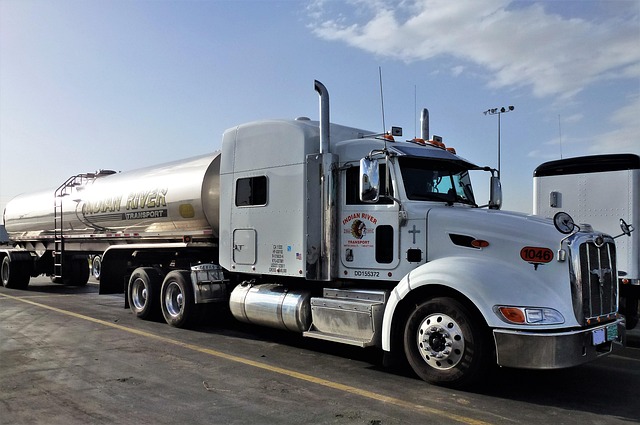
Before you begin the car registration process in California, it’s crucial to meet the eligibility criteria set by the state. To register your vehicle, your car must first be legally imported and meet all safety standards. The Vehicle Identification Number (VIN) plays a vital role in this process, acting as a unique fingerprint for your car that can be verified through official channels. One effective method is utilizing a mobile VIN inspection or verification service, ensuring your VIN’s authenticity before proceeding. This is especially beneficial when purchasing a used vehicle, where past ownership history and potential tampering become concerns.
California requires all vehicles on its roads to undergo an annual safety inspection. This includes checking the car’s lights, brakes, tires, and other critical components. Additionally, the state employs advanced systems to cross-reference VIN data with reported accidents, outstanding recalls, and theft records. A mobile VIN verifier can assist in this process by providing real-time information about a vehicle’s history, ensuring it hasn’t been involved in any significant incidents and reducing the risk of fraud or unauthorized modifications.
Meeting these criteria not only ensures your car’s safety but also facilitates a smoother registration experience. Many online tools and services, including mobile VIN inspection apps, make this process convenient. They allow you to input your VIN and instantly receive detailed information about the vehicle’s history, providing peace of mind before committing to registration. By taking advantage of these modern verification methods, California residents can confidently navigate the car registration process, ensuring their vehicles meet all necessary standards.
Submit Application & Pay Fees at the DMV

To register your car in California, the final step involves submitting your application and paying the required fees at the Department of Motor Vehicles (DMV). This process is crucial to ensure your vehicle’s legal status on California roads. You’ll need to bring several documents, including proof of insurance, a completed registration application form, and the appropriate fees. The DMV offers both in-person and online submission options for your convenience.
One key aspect during this phase is ensuring the accuracy of your Vehicle Identification Number (VIN). Utilize a reliable mobile VIN verifier to cross-reference the number on your vehicle with the manufacturer’s records. This step is vital as it verifies the vehicle’s history, including any prior accidents or outstanding recalls, which can impact registration and safety inspections. For instance, many mobile apps now provide quick and easy VIN inspection services, allowing you to perform this check before visiting the DMV.
When submitting your application, be prepared with essential details such as your driver’s license number, proof of insurance, and payment for the registration fee. The DMV may also require a safety inspection, which can often be completed at authorized repair shops or through mobile VIN verification services. This ensures your vehicle meets California’s safety standards before issuing the registration.
Receive Your Vehicle Registration & License Plate

Once you’ve completed your vehicle’s purchase and passed the California Smog Test, the next step is to receive your Vehicle Registration and License Plate. This crucial process ensures that your car is legally recognized on California roads. To streamline this process, many drivers opt for efficient methods like mobile VIN verification or mobile VIN inspection services. These services utilize advanced technology to perform a VIN (Vehicle Identification Number) inspection remotely, saving time and effort.
When ready, schedule an appointment with the California Department of Motor Vehicles (DMV) or visit a local DMV office. Bring along essential documents, including proof of vehicle ownership, your driver’s license, and any required registration fees. An DMV representative will cross-reference your vehicle details against their records using your VIN. This step is vital to ensure accuracy, as even minor discrepancies can delay registration. In some cases, mobile VIN inspection services can assist on-site, quickly validating your vehicle’s history before you arrive at the DMV.
After successful verification, you’ll be issued a Vehicle Registration Certificate and a pair of custom license plates. These plates must be displayed on your vehicle at all times while driving in California. Additionally, keep digital copies of your registration documents for easy access during future transactions or if needed by law enforcement. By following these steps and leveraging modern tools like mobile VIN verification, you can efficiently complete the process of receiving your Vehicle Registration and License Plate in California.
By meticulously preparing required documents, verifying your vehicle’s identity with a trusted VIN verifier, ensuring eligibility, submitting applications, and paying fees at the DMV, you can successfully register your car in California. Receiving your vehicle registration and license plate marks a significant milestone, equipping you to legally operate your vehicle within the state. This comprehensive guide empowers you with the knowledge to navigate this process efficiently, underscoring the importance of each step for a seamless car registration experience.