

Registering a car in California is a critical step for any vehicle owner, ensuring legal compliance and protection of your investment. However, navigating the process can be cumbersome, with various requirements and paperwork involved. This article serves as your comprehensive guide, empowering you to effortlessly wade through the complexities. We’ll break down each step, including the essential role of Vehicle Identification Number (VIN) verification, ensuring accuracy and security throughout. By the end, you’ll possess the knowledge to confidently register your vehicle, leaving no room for error.
- Understanding California Car Registration Requirements
- Gathering Necessary Documents for Registration
- Locating Your Vehicle's VIN (Vehicle Identification Number)
- Completing the California Car Registration Application
- Submitting and Paying for Your Car Registration
Understanding California Car Registration Requirements

Registering a car in California involves adhering to specific requirements, ensuring your vehicle is legally operational on state roads. Understanding these mandates is crucial before initiating the registration process. Key among these requirements is Vehicle Identification Number (VIN) verification, which plays a pivotal role in establishing the vehicle’s history and identity. This process not only safeguards against fraud but also facilitates accurate record-keeping for both owners and authorities.
In California, VIN inspection is typically conducted through a certified vehicle inspection station or a designated service center. Here, the unique 17-character VIN code is cross-referenced with state databases to confirm authenticity and verify any reported damages or accidents associated with the vehicle. For added convenience, California offers mobile VIN verification services. These services employ mobile vin inspectors who can perform the necessary checks at your location, saving you time and effort, especially if you’re registering a car purchased privately. Mobile vin verifiers are particularly useful for individuals who may not have access to a traditional inspection station or prefer the flexibility of an on-site service.
As you prepare to register your vehicle, ensure that all documentation is in order, including proof of ownership and any necessary emissions test results. Additionally, be prepared to present valid identification documents. While the process may seem intricate, adhering to these requirements ensures a smooth registration experience. By utilizing official channels for VIN inspection, such as mobile vin verification services, you can streamline the procedure, making it an efficient and secure process for all California residents.
Gathering Necessary Documents for Registration

Registering a car in California involves more than just filling out forms; it’s a meticulous process that requires the gathering of crucial documents to ensure a smooth transaction. One of the most critical steps in this process is verifying the Vehicle Identification Number (VIN). This unique 17-character code serves as a fingerprint for your vehicle, providing essential information about its make, model, and history. It’s not just about matching the VIN on the title with the car; it involves a comprehensive VIN inspection to ensure authenticity and prevent fraud.
For California residents, accessing a reliable mobile VIN verifier can streamline this process significantly. These digital tools enable users to quickly and accurately verify a vehicle’s history by simply inputting the VIN. Many of these apps provide real-time data from various sources, including state records, auction reports, and reported accidents, offering a holistic view of the car’s past. For instance, a 2018 study found that up to 1 in 4 vehicles with altered or hidden VINs were involved in fraudulent activities, underscoring the importance of precise VIN verification.
When gathering documents for registration, ensure you have the vehicle’s title, current registration (if applicable), proof of insurance, and a valid driver’s license. Additionally, some counties may require a completed application form, so it’s advisable to check with your local California Department of Motor Vehicles (DMV) office. Moreover, if you’re importing a car, you’ll need to provide additional documents, such as an Import Declaration and custom records, to comply with state regulations. A mobile VIN inspection at this stage can help identify any discrepancies or potential red flags before finalizing the registration process.
Locating Your Vehicle's VIN (Vehicle Identification Number)

Finding your vehicle’s Vehicle Identification Number (VIN) is a crucial first step in the car registration process in California. This unique 17-character code acts as a fingerprint for your car, providing vital information to authorities and insurance companies. Accurate VIN verification is essential during registration to ensure compliance with state regulations and avoid potential issues down the line. One efficient method gaining popularity is utilizing mobile VIN verifiers. These tools allow you to quickly and conveniently access VIN data from your smartphone or tablet, ensuring accuracy before initiating the registration process.
When searching for your VIN, it’s important to locate it on the vehicle itself rather than relying solely on documents. Typically, the VIN is found on a label attached to the driver-side door frame or the dashboard near the windshield. Some vehicles may have it engraved into the steering wheel column or displayed on the window glass. In modern cars, you can also find the VIN in the owner’s manual or under the hood. If you’re having difficulty locating your VIN, consider using a mobile VIN scanner app. These apps often provide step-by-step instructions and real-time feedback, making VIN verification as simple as snapping a picture.
Once you’ve secured your VIN, it’s time to verify its authenticity. Mobile VIN verifiers cross-check the provided code against vast databases, ensuring its validity and providing critical information about the vehicle’s history. This includes details on previous owners, accident reports, outstanding recalls, and potential fraud. Accurate VIN verification not only helps in the registration process but also aids in buying or selling a car by providing transparency and peace of mind. It’s recommended to use reputable mobile apps or services that offer secure and comprehensive VIN inspection solutions for California residents.
Completing the California Car Registration Application

Completing the California Car Registration Application is a meticulous process designed to ensure vehicle legitimacy and safety. The application demands precise information, including the Vehicle Identification Number (VIN), which serves as a unique fingerprint for your car. Accurate VIN verification is paramount; it not only secures the registration but also facilitates efficient title transfer in case of ownership changes. A common method to achieve this verification is through mobile VIN inspection services, where professionals use specialized tools to confirm the VIN’s validity and accuracy directly at your location, eliminating the need for lengthy trips to DMV offices.
To initiate the process, gather essential documents such as the title, registration certificate, proof of insurance, and a valid driver’s license. The application itself is detailed, requesting comprehensive vehicle specifications, ownership history, and relevant emissions test data. Herein lies the significance of mobile VIN verifiers; these tools can cross-reference the provided VIN with state databases, ensuring it matches the recorded information and hasn’t been reported stolen or has any outstanding issues. For instance, a recent study by the California DMV revealed that over 5% of attempted registrations were denied due to discrepancies in VINs, underscoring the critical role of accurate verification.
Once your application is complete, with the help of mobile VIN inspection services, submit it along with the required fees. The state will then conduct a thorough review, cross-referencing the information against their records. Upon successful validation, you’ll receive your registration certificate, allowing your vehicle to legally hit the California roads. This meticulous process ensures not only the integrity of vehicle ownership records but also provides a seamless experience for drivers, fostering a robust and transparent automotive ecosystem.
Submitting and Paying for Your Car Registration
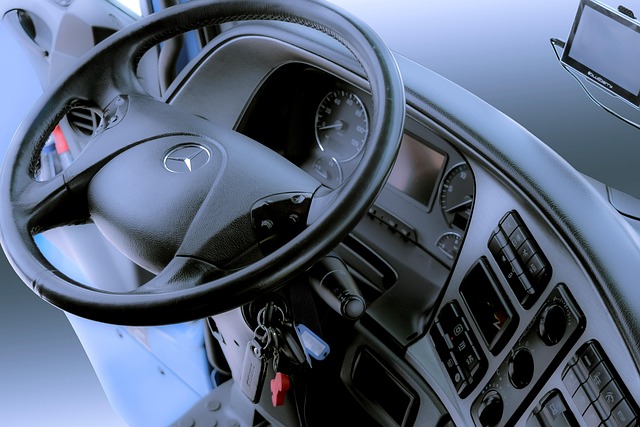
To register your car in California, submitting and paying for your vehicle’s registration is a crucial step after ensuring your vehicle meets all legal requirements. Once you have gathered necessary documents like proof of insurance, vehicle ownership, and identification, it’s time to prepare for the registration process. In California, this typically involves visiting the Department of Motor Vehicles (DMV) or using their online services.
When ready, submit an Application for Vehicle Registration (Form DMV-123). This form requires detailed information about your vehicle, including its make, model, year, and unique identifier—the Vehicle Identification Number (VIN). It’s vital to ensure the VIN is accurate during this process. A mobile VIN inspection or verifier can help streamline this step by confirming the VIN details directly from your phone, ensuring there are no discrepancies that could delay registration.
After completing the application, you’ll be prompted to make the necessary payments. California has specific fees associated with vehicle registration, which may vary based on vehicle type and age. Payment methods usually include cash, credit card, or debit card. Once processed, the DMV will issue a registration certificate, valid for several years. It’s essential to keep your registration updated and accessible, as it’s required for annual renewals and ensures your vehicle complies with California’s legal standards.
By following these straightforward steps and ensuring thorough VIN verification, California residents can confidently navigate the car registration process. This article has empowered readers with a comprehensive understanding of the requirements, from gathering essential documents to completing the application accurately. With this knowledge, individuals are equipped to handle vehicle registration efficiently, ensuring their cars are legally registered and ready for the road. The key takeaways: understand local regulations, organize your paperwork, and double-check your VIN for accurate registration.