

Registering a car in California is more than just a bureaucratic formality; it’s a crucial step for any new or existing vehicle owner to ensure legal compliance and protection. However, the process can be confusing, with varying requirements and potential pitfalls. This authoritative guide will walk you through each step, from gathering essential documents to the critical DMV VIN verification process. By the end, you’ll have a clear understanding of how to navigate this labyrinthine procedure efficiently and accurately. Let’s dive in.
- Gather Required Documents for Car Registration in CA
- Understand the Process: Step-by-Step Guide to Registering
- Prepare Your Vehicle for DMV Inspection: Essential Checks
- Conduct a Comprehensive DMV VIN Verification Check
- Finalize and Obtain Your California Vehicle Registration
Gather Required Documents for Car Registration in CA

Registering a car in California involves several steps, but having the right documents ready is key to a smooth process. Among these, the Vehicle Identification Number (VIN) verification stands out as a critical component, ensuring the vehicle’s authenticity and history are accurately represented. The California Department of Motor Vehicles (DMV) requires a detailed inspection of the VIN, which can be efficiently facilitated by a mobile VIN verifier—a tool that allows for on-site, real-time validation.
Before proceeding with registration, ensure you gather all necessary documents. This typically includes the title or bill of sale from the seller, proof of insurance, and a valid driver’s license. Additionally, the DMV will necessitate a completed Vehicle Registration Application form. Crucial among these is the VIN inspection report from a trusted mobile VIN verification service. These services employ advanced technology to conduct a comprehensive check, verifying not just the VIN but also the vehicle’s history, including any accidents or outstanding recalls—a process that used to be cumbersome and time-consuming in the past.
For instance, many California residents opt for mobile VIN verifiers due to their convenience and reliability. These services can perform a VIN inspection promptly at your location, whether it’s at home, work, or even during a test drive. The data retrieved includes detailed vehicle specifications, ownership history, and maintenance records—information that can significantly impact the registration process. It’s advisable to compare different mobile VIN verification providers for their accuracy, turnaround time, and cost-effectiveness before making a selection. With the right tools and preparation, registering your car in California can be a straightforward and efficient experience.
Understand the Process: Step-by-Step Guide to Registering

Registering a car in California involves several crucial steps, ensuring compliance with state regulations. Here’s a step-by-step guide to help you navigate the process smoothly. Begin by gathering all necessary documents, including your vehicle’s registration certificate from the previous state, proof of insurance, and a valid driver’s license. Next, visit the California Department of Motor Vehicles (DMV) website to determine which specific forms you need based on your vehicle type and personal situation.
The process starts with a comprehensive DMV VIN verification. This involves providing your Vehicle Identification Number (VIN) for inspection. You can conduct this online or in-person at a DMV office. For added convenience, consider using a mobile VIN verifier to complete this step quickly and accurately from the comfort of your home. Once your VIN is verified, you’ll need to pass an emissions test conducted at a certified station. This ensures your vehicle meets state pollution standards. After successful emission verification, proceed with paying the registration fees, which vary based on vehicle age and type.
Following these steps, you can ensure a seamless vin inspection process. Remember to keep all documents organized and readily available. If issues arise during any stage, consult the DMV’s comprehensive guide or seek assistance from their customer service team. By adhering to these procedures, you’ll be well on your way to registering your vehicle in California efficiently.
Prepare Your Vehicle for DMV Inspection: Essential Checks

Before heading to the California Department of Motor Vehicles (DMV) for registration, ensure your vehicle is ready through a thorough inspection. This process, known as DMV VIN verification, is a critical step that goes beyond basic mechanical checks. It involves verifying key vehicle information, including its history and identity, which can be facilitated by utilizing a mobile VIN verifier—a tool that provides accurate, real-time data.
During this preparation stage, start with a visual inspection of your car’s exterior and interior. Check for any signs of damage, wear, or tampering, paying close attention to the vehicle identification number (VIN) plate. Ensure it is legible and hasn’t been altered. Additionally, verify that all lights, signals, and mirrors are functional, as these are essential safety features examined during DMV inspections. A common mistake is overlooking minor repairs; remember, even a simple headlight replacement could impact your registration outcome if not addressed.
Furthermore, focus on maintaining proper documentation. Gather important papers such as the vehicle’s title, insurance proof, and any previous inspection records, especially if you’ve recently purchased or moved to California from another state. A mobile VIN inspection app can aid in gathering and organizing this information by providing a digital record of your vehicle’s history, ensuring a smoother process during DMV interactions. For instance, some apps offer instant reports on accident histories and recall notices, empowering you with valuable insights before the official verification.
Conduct a Comprehensive DMV VIN Verification Check
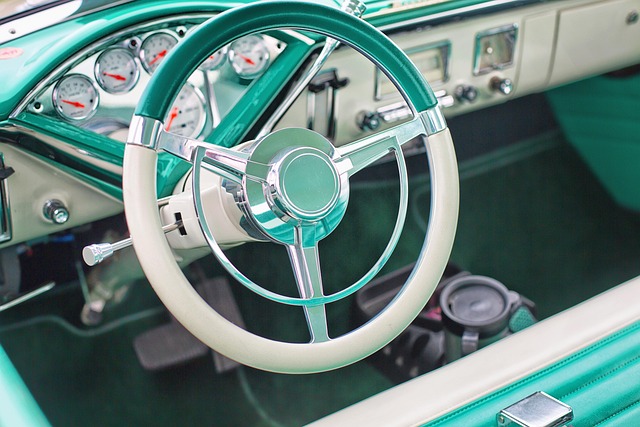
Before registering your car in California, conducting a comprehensive DMV VIN (Vehicle Identification Number) verification check is a crucial step that often gets overlooked. This process ensures that your vehicle meets all safety and legal standards required by the state. The California Department of Motor Vehicles (DMV) offers various methods for this inspection, including mobile vin inspections, which can be particularly convenient.
A thorough VIN verification involves more than just a visual inspection. It encompasses checking the vehicle’s history through the DMV database to confirm its authenticity and identify any potential issues or discrepancies. For instance, California’s robust record-keeping allows the DMV to track title transfers, accident records, and maintenance histories, all of which can impact your car’s registration status. By employing mobile vin verification services, you can conveniently have this check done at your location, saving time and effort compared to visiting a DMV office.
Data from recent studies shows that proper VIN inspection can help prevent significant problems down the line. Neglecting this step may result in fines or even legal complications if issues like stolen vehicles or altered identification numbers are discovered after registration. To ensure a smooth process, consider engaging professional services that specialize in mobile vin inspection. They bring the necessary tools and expertise to conduct a detailed verification, leaving you with peace of mind and a legally compliant vehicle.
Finalize and Obtain Your California Vehicle Registration

After gathering all necessary documents and passing the California vehicle smog test, the next crucial step is to finalize and obtain your state vehicle registration. This process involves submitting your application to the Department of Motor Vehicles (DMV) along with essential details and fees. One critical aspect that often requires extra attention is ensuring accurate Vehicle Identification Number (VIN) verification.
The DMV offers various methods for VIN verification, including a mobile option. A mobile vin verifier or inspection service can be particularly convenient, allowing you to complete this requirement from the comfort of your home or on-the-go. By utilizing these services, you provide the necessary proof of vehicle identity digitally, enhancing efficiency and accuracy. This method has gained popularity due to its convenience, especially for individuals with busy schedules or limited mobility.
To finalize registration, ensure all information is correct and complete. This includes the vehicle’s make, model, year, and VIN, along with your personal details. Submitting an incomplete application may result in delays or rejection, so double-check every detail before proceeding. Once validated, the DMV will process your request, generating a unique California vehicle registration document tailored to your specific vehicle. Having accurate and up-to-date records is essential for future interactions with the DMV and ensuring your vehicle’s legal status.
By following these structured steps, from gathering necessary documents to conducting a meticulous DMV VIN verification check, you’ve gained the knowledge to seamlessly register your car in California. This process ensures not only legal compliance but also peace of mind, knowing your vehicle meets all safety standards. The next logical step is to proactively prepare your documentation and conduct the required checks before initiating the registration process. Embrace the authority of this guide as your trusted companion throughout the car registration journey.