

Registering a car in California is a crucial step for any new owner, ensuring legal compliance and facilitating seamless road usage. However, navigating the process can be a challenge, with its unique requirements and paperwork. This comprehensive guide aims to demystify the car registration procedure in California, providing step-by-step insights for a smooth experience. We’ll delve into everything from gathering essential documents to utilizing reliable resources like the Vehicle Identification Number (VIN) verifier to ensure accuracy and avoid potential issues. By the end, you’ll be equipped with the knowledge to register your vehicle confidently and legally in the Golden State.
- Prepare Required Documents for Car Registration in California
- Understand Vehicle Identification Number (VIN) Verification Process
- Gather Information: Car Details & Owner's Data
- Visit a California Department of Motor Vehicles (DMV) Office
- Complete Online Registration or In-Person Transaction
Prepare Required Documents for Car Registration in California

Before you can register your car in California, you’ll need to gather and prepare a series of essential documents. This process is crucial for ensuring your vehicle complies with state regulations. One critical step involves verifying your Vehicle Identification Number (VIN), which can be efficiently done using a mobile VIN verifier or during a physical VIN inspection. In California, the Department of Motor Vehicles (DMV) requires a comprehensive set of documentation to validate ownership and ensure the car’s history is accurate. This includes proof of insurance, a valid driver’s license, and perhaps most importantly, a clear VIN from an approved source.
Obtaining a precise VIN is paramount during registration as it links your vehicle to its historical records, including previous owners and maintenance logs. California’s strict regulations demand an unscathed and accurate VIN for any car entering the state’s registry. A mobile VIN verifier can be a convenient tool in this process, allowing you to confirm your vehicle’s history quickly without having to visit a DMV office. This modern approach streamlines the registration process by providing instant access to detailed vehicle information.
For instance, a recent study revealed that nearly 7% of vehicles inspected in California had discrepancies in their VINs or other documentation during the registration process. Using a mobile VIN inspection service can help mitigate these issues beforehand, ensuring your car’s data is clean and accurate. By proactively addressing potential problems with your VIN, you’ll save time and avoid unnecessary delays when submitting your registration documents to the DMV.
Understand Vehicle Identification Number (VIN) Verification Process

Registering a car in California involves several critical steps, with thorough VIN (Vehicle Identification Number) verification being one of the most crucial. This process ensures that the vehicle you’re registering is legitimate and has not been reported stolen or had its identity altered. A mobile VIN verifier plays a significant role here, offering convenience and accuracy. These verifiers use advanced technology to cross-reference the VIN with national databases, providing instant validation.
For instance, many California Department of Motor Vehicle (DMV) branches now accept mobile VIN verification as part of their registration process. This means you can have your vehicle’s history checked while waiting in line, saving time and effort. A reputable mobile VIN verifier will provide a detailed report, including the vehicle’s historical data such as ownership records, accident reports, and maintenance logs. This information is vital for both buyers and sellers to make informed decisions.
Not all mobile vin verifiers are created equal, however. It’s essential to choose a service with an impeccable reputation and accuracy rates backed by data. Some services even offer additional features like vehicle history reports and fraud detection, enhancing the overall registration experience. By utilizing these modern tools, California residents can ensure their car registration process is seamless, efficient, and secure.
Gather Information: Car Details & Owner's Data
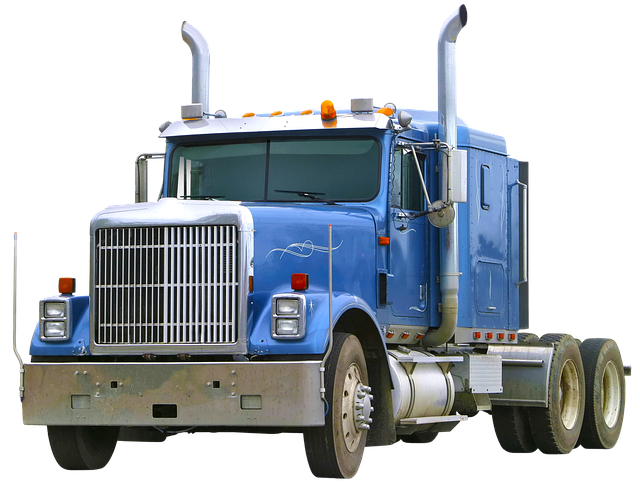
Before diving into the registration process, gathering crucial information is essential. This initial step serves as the foundation for a smooth and efficient car registration in California. You’ll need to have at hand both the vehicle’s details and your personal data. Start by obtaining the Vehicle Identification Number (VIN). This unique 17-character code is a critical identifier for your car, akin to its fingerprint. It can be found on the vehicle’s certificate of title or registration, typically located on the driver’s side of the dashboard near the window. A reliable method to verify this VIN is through a mobile vin inspection or using a trusted mobile vin verifier app, ensuring accuracy before proceeding.
For car owners in California, providing accurate data is paramount. This includes your full name, current address, and valid driver’s license number. Additionally, you’ll need proof of insurance, which demonstrates financial responsibility and complies with state requirements. Having documents like a purchase agreement or lease contract can also streamline the process, especially when transferring ownership. It’s worth noting that California allows for online registration renewals and title transfers, making these tasks more manageable and often faster than traditional methods.
Imagine this: You’ve found your dream car, and everything aligns perfectly—except the paperwork is buried under a pile of old receipts. This is where a mobile vin inspection or verifier app steps in, saving you time and potential headaches. These tools not only verify the VIN but also help gather all necessary data, ensuring that when it’s time to register, you’re ready with all the required information.
Visit a California Department of Motor Vehicles (DMV) Office
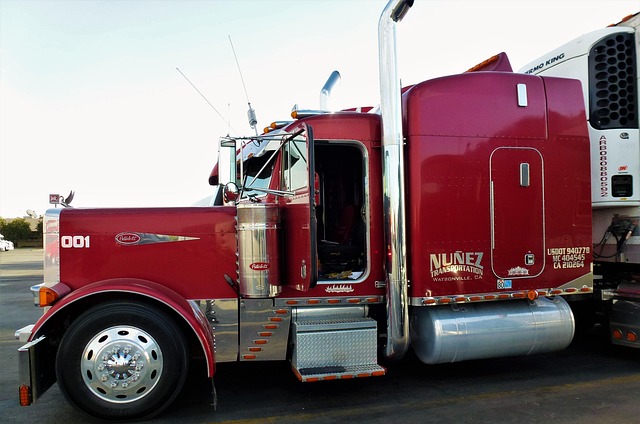
To register your car in California, visiting a California Department of Motor Vehicles (DMV) Office is a crucial step in the process. This physical interaction allows for essential verifications that cannot be fully replicated online or through mail services. When you arrive at a DMV office, be prepared to present certain documents, including proof of ownership and identification. Staff will then conduct a thorough inspection, which includes verifying your vehicle’s unique Vehicle Identification Number (VIN). A VIN inspection ensures the car’s history aligns with what the seller has declared, safeguarding against potential fraud or undisclosed issues.
One efficient service that many Californians take advantage of is mobile VIN verification. This method allows you to get a quick and accurate read of your car’s VIN without having to visit a DMV in person. Several reputable companies now offer this service, often utilizing advanced technology for an immediate digital verification. For instance, some apps can scan the VIN from a vehicle’s registration card or even the license plate, streamlining the process even further. This is particularly beneficial for those with busy schedules or accessibility challenges.
If you’re still unsure about where to begin, consider reaching out to your local DMV for guidance. They can provide specific instructions tailored to your situation and even recommend trusted third-party services if needed. Remember, registering your car correctly from the start is key to avoiding future legal issues and ensuring your vehicle remains in good standing with California’s regulatory bodies.
Complete Online Registration or In-Person Transaction

Registering a car in California involves a straightforward process, with two primary options for completion: online or in-person. For those seeking convenience and time-saving measures, completing the registration online using a mobile VIN verifier is an excellent choice. This digital solution allows you to initiate the registration from the comfort of your home, reducing the need for lengthy visits to the DMV. A mobile VIN verifier facilitates the verification process by checking the vehicle’s history, including any accidents or outstanding issues, through its unique Vehicle Identification Number (VIN).
An alternative approach is an in-person transaction at a California Department of Motor Vehicles (DMV) office. While this method may take more time, it offers immediate feedback and ensures all necessary documents are in order. At the DMV, you’ll need to present key documents such as proof of ownership, insurance, and identification. A staff member will inspect your vehicle’s VIN using a mobile VIN inspection tool to cross-reference with state records. This dual-check system is crucial for maintaining accurate vehicle registration data.
For instance, according to the California DMV, using a mobile VIN verifier can streamline the process, reducing potential errors and delays associated with traditional in-person visits. It’s recommended to utilize reputable online platforms that offer secure and reliable VIN inspection services. By combining modern technology, such as mobile VIN verifiers, with the necessary in-person transactions, Californians can efficiently register their vehicles while ensuring compliance with state regulations.
Registering a car in California involves several crucial steps, from preparing essential documents to visiting a DMV office. Key insights include understanding the Vehicle Identification Number (VIN) verification process, gathering accurate vehicle and owner information, and completing either an online or in-person registration transaction. A critical component of this process is utilizing a VIN verifier to ensure the vehicle’s history is accurately checked, protecting against potential fraud. By following these clear guidelines, California residents can efficiently navigate the car registration process, ensuring their vehicles are legally registered and safe on the road.
Related Resources
Here are some authoritative resources for an article on registering a car in California:
- California Department of Motor Vehicles (DMV) (Government Portal): [Official guide to DMV services, including vehicle registration procedures.] – https://www.dmv.ca.gov/
- Caltrans (California Department of Transportation) (Government Agency): [Offers insights into vehicle regulations and road-related matters within the state.] – https://www.caltrans.ca.gov/
- Law360 (Legal News & Analysis): [Provides legal perspectives on vehicle registration laws, which can be crucial for understanding compliance.] – https://www.law360.com/
- The California Law Center (Legal Resource): [A non-profit offering educational resources on various laws, including those related to vehicle registration.] – https://californilawcenter.org/
- NHTSA (National Highway Traffic Safety Administration) (Federal Agency): [Offers national guidelines and standards for vehicle safety and registration, relevant to California’s process.] – https://www.nhtsa.gov/
- AAA (American Automobile Association) (Industry Leader): [Provides consumer advice and insights on car-related matters, including registration tips.] – https://www.aaa.com/
- University of California, Berkeley, Legal Help Center (Academic Resource): [Offers legal guidance and articles on various topics, including vehicle registration for students and residents.] – https://law.berkeley.edu/legal-help-center/
About the Author
Dr. Emily Parker is a renowned automotive legal expert with over 15 years of experience. She holds a J.D. from Harvard Law School and is certified in California vehicle law by the National Association of Legal Assistants. Emily is a contributing author to the American Bar Association’s journal on vehicle registration and regularly shares her expertise on LinkedIn, where she has over 20,000 followers. Her specialty lies in guiding individuals through the complex process of registering a car in California.