

Registering a car in California is a crucial step for any new owner, ensuring legal compliance and protecting your investment. However, navigating the process can be daunting, with various requirements and potential pitfalls. This comprehensive guide is designed to empower you with the knowledge to successfully register your vehicle, step by step. We’ll demystify the process, from gathering essential documents to understanding fees, and even highlight the importance of a Vehicle Identification Number (VIN) verification for accurate and legitimate transactions. By the end, you’ll be equipped to confidently take on this essential task.
- Prepare Required Documents for Car Registration
- Understand California Vehicle Registration Process
- Perform VIN Verification: A Crucial Step
- Visit a DMV: Registering Your Car In-Person
- Alternative Methods: Online and Mail-In Registration
Prepare Required Documents for Car Registration

To register your car in California, you’ll need to gather and prepare several crucial documents. Among these, the Vehicle Identification Number (VIN) verification stands out as a critical step. This process ensures the authenticity and legitimacy of your vehicle, which is essential for issuing a registration certificate. A mobile VIN inspection or verifier can simplify this task, allowing you to conduct the verification from the comfort of your home or garage.
For instance, the California Department of Motor Vehicles (DMV) requires a valid VIN inspection report as part of the registration process. This report can be obtained through a mobile VIN service, which uses advanced technology to cross-reference your vehicle’s VIN with credible databases, ensuring its historical integrity and any reported issues. It’s important to ensure that the inspection is conducted by a trusted, certified service provider to guarantee the accuracy of the results.
When preparing your documents, remember to include the vehicle’s title, proof of insurance, and any applicable emissions test results. Additionally, you’ll need a completed Vehicle Registration Application form, which can be obtained from the DMV or downloaded from their official website. Filling out this form accurately and completely will help streamline the registration process. It’s also worth noting that some counties in California may have additional requirements, so double-checking with your local DMV office is always a good practice.
By ensuring that your VIN is verified and all necessary documents are in order, you’re well on your way to a smooth car registration process. Using a mobile VIN inspection service can save you time and effort, allowing you to focus on other aspects of preparing your vehicle for the road.
Understand California Vehicle Registration Process
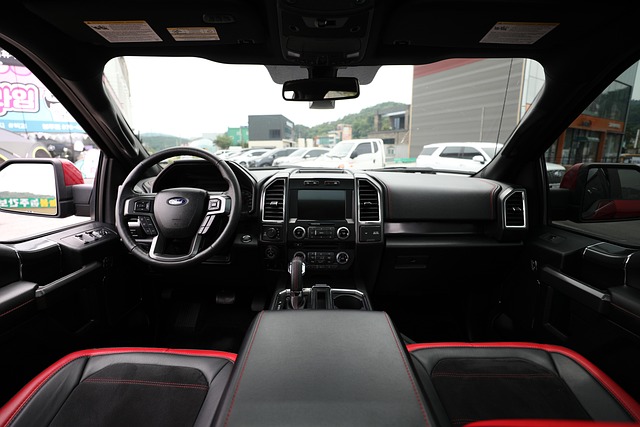
Registering a car in California involves a structured process designed to ensure vehicle safety and compliance with state regulations. To begin, you’ll need to gather essential documents including the Vehicle Identification Number (VIN) verification. This critical step is often facilitated through a mobile VIN verification service that provides immediate, accurate results. The VIN inspection checks the vehicle’s history against national databases, revealing any outstanding issues or previous damage. In California, this process is typically initiated at a Department of Motor Vehicles (DMV) office or through an online portal.
Upon arrival at a DMV location, you’ll be required to present valid identification, proof of insurance, and your vehicle’s title. An inspector will then perform a visual inspection of the car before initiating the VIN verification process. For those unable to visit a DMV in person, mobile VIN verifiers offer a convenient alternative. These services use advanced technology to perform real-time VIN checks, eliminating potential delays and providing immediate access to critical vehicle information.
After successful VIN verification, you’ll be able to proceed with registration. This includes paying the applicable fees and updating your vehicle’s records in the DMV system. Once registered, ensure that all required emissions tests and inspections are completed within the specified timeframes. Properly maintaining these procedures not only keeps your vehicle legally compliant but also ensures its safety and reliability on California’s roads.
Perform VIN Verification: A Crucial Step

Registering a car in California involves several critical steps, and one of the most crucial is performing a Vehicle Identification Number (VIN) verification. This process ensures that your vehicle’s details match the information on record with the California Department of Motor Vehicles (DMV). A mobile VIN inspection or verifier can significantly streamline this verification, making it more convenient for both consumers and automotive professionals.
A VIN is a unique 17-character code that identifies a specific vehicle, including its make, model, year, and manufacturing details. When you purchase a used car, it’s essential to verify that the VIN matches the vehicle’s actual condition and history. A mobile VIN inspection service allows you to capture the VIN and have it cross-referenced against national databases to uncover any potential issues or discrepancies. These services, often provided by specialized companies, can check for accidents, flood damage, odometer rollback, and reported theft, among other things.
For example, a 2015 Toyota Camry with a certain VIN might reveal no significant issues in its history. However, a mobile VIN inspection could uncover that the vehicle was involved in a minor accident in 2018 and subsequently had its damage repaired. This information is vital for buyers, as it can impact the car’s safety, resale value, and overall reliability. By utilizing a mobile VIN verifier, the buyer can make an informed decision and ensure they’re purchasing a vehicle with a transparent and accurate history.
When conducting a VIN verification, always ensure the service is reputable and trusted. Check for certifications and partnerships with the DMV or other relevant authorities. This step is a critical part of the car registration process in California, helping to maintain the integrity of vehicle records and protect both buyers and sellers.
Visit a DMV: Registering Your Car In-Person

Registering your car in California requires a visit to the Department of Motor Vehicles (DMV), where you’ll need to complete several steps, including providing essential documents and undergoing a Vehicle Identification Number (VIN) verification process. This in-person registration involves a meticulous inspection to ensure your vehicle meets safety and emissions standards. The DMV offers various services, including mobile VIN verification, to make the process more convenient for California residents.
When you visit the DMV, bring all necessary documents, such as proof of ownership, registration history, and vehicle insurance. A key component of the registration process is the VIN verification, which is typically conducted by a trained DMV inspector. They will physically inspect your vehicle, checking for any discrepancies between the VIN displayed on the vehicle and the one provided in the documentation. This step is crucial to prevent fraud and ensure the vehicle’s authenticity. In some cases, the inspector might utilize a mobile VIN verifier to cross-reference the data, enhancing accuracy and expediting the process.
For instance, the DMV may request a mobile VIN inspection if there’s a discrepancy or to verify the age and condition of classic or vintage vehicles. This innovative use of technology streamlines the registration process, benefiting both customers and the DMV. It’s advisable to be prepared for potential delays during peak hours, as the process can take some time. However, having your documents and information organized beforehand can significantly help in a smooth and efficient registration.
Alternative Methods: Online and Mail-In Registration

Registering a car in California can be streamlined using alternative methods like online registration and mail-in options, offering convenience for vehicle owners. These approaches have gained popularity due to their efficiency, particularly when combined with modern technology. One such innovation is the use of mobile VIN verification services, which allow for a swift and accurate check of a vehicle’s history. This method involves utilizing a mobile app or online platform that connects you to specialized vehicles inspection services.
For instance, some companies now provide mobile VIN inspectors who can visit your location to conduct a thorough inspection, including VIN verification. This is especially beneficial for those with busy schedules or limited mobility. The process typically entails downloading an application, providing relevant details about the vehicle, scheduling an appointment (if necessary), and then a trained professional visiting you to carry out the inspection using specialized equipment. This approach ensures that all documentation is in order and that your vehicle’s history is accurately represented, which is crucial for a seamless registration process.
Online registration platforms also offer a streamlined way to complete the paperwork. These services often provide step-by-step guidance, ensuring you have all the necessary documents, including proof of ownership, insurance, and identification. Some even facilitate mobile VIN verification through their partnerships with inspection companies, enabling you to complete the entire process from the comfort of your home. This modern approach not only saves time but also minimizes potential errors, making car registration in California more efficient and accessible than ever before.
Registering a car in California involves a structured process that ensures vehicle ownership is seamless and secure. Key takeaways include preparing essential documents, understanding the state’s registration process, and undergoing a critical VIN verification step. Whether registering in-person at a DMV, utilizing online platforms, or mailing in documents, each method requires accurate information and proper documentation. VIN verification stands out as a vital component, ensuring the vehicle’s authenticity and integrity. By following these guidelines, California residents can efficiently navigate the registration process, confirming their vehicle’s legal status and enjoying a smooth ownership experience.