

Registering a car in California is a vital step for any new owner, ensuring legal compliance and personal protection. However, navigating the process can be challenging, especially with complex requirements and ever-changing regulations. This comprehensive guide aims to demystify the registration journey by offering an authoritative step-by-step approach. We’ll explore everything from gathering essential documents to utilizing reliable tools like the DMV’s VIN verifier to streamline the experience. By the end, you’ll be equipped with the knowledge needed to register your vehicle efficiently and confidently in the Golden State.
- Prepare Necessary Documents for Car Registration
- Visit Your Local California DMV Office or Use Online Services
- Verify Vehicle Identity Using DMV VIN Verifier
- Complete the Registration Application Form Accurately
- Pay Registration Fees and Receive Your Vehicle's Registration Papers
Prepare Necessary Documents for Car Registration

Registering a car in California involves several steps, and one of the critical initial preparations is ensuring you have all the necessary documents ready. This process can be streamlined by utilizing modern tools like the DMV’s VIN verifier or even mobile VIN verification apps, which help verify the vehicle’s history and identify potential issues before purchase. When preparing your documents, it’s essential to gather both traditional paperwork and digital records for a smooth registration experience.
Key documents include the title transfer from the seller, a current vehicle inspection report, proof of insurance, and identification documents for both you and the car owner. The California DMV emphasizes the importance of accurate information, so ensure your documents reflect the correct details about the vehicle’s make, model, year, and VIN (Vehicle Identification Number). A mobile VIN verifier can be a handy tool to quickly check the vehicle’s history for any accidents or outstanding issues, which is crucial information when registering.
Additionally, keep in mind that some cities in California may have specific requirements, such as environmental fees or local taxes, which must be paid at the time of registration. Being prepared with these documents not only saves time but also helps prevent potential delays or issues during the registration process. Always double-check your records and consult the DMV’s guidelines to ensure compliance.
Visit Your Local California DMV Office or Use Online Services
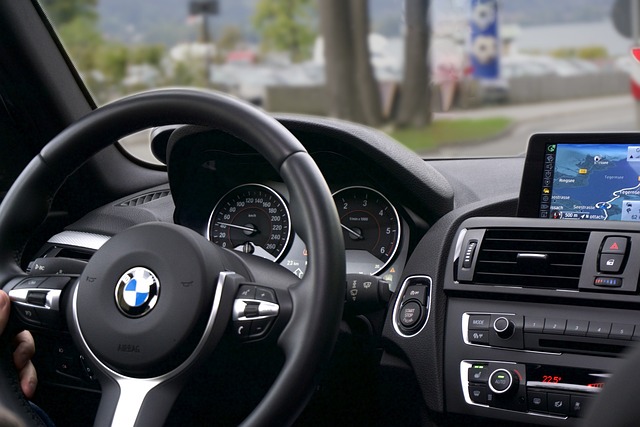
Registering a car in California involves several steps, and one of the key processes is visiting your local California DMV office or utilizing online services. The Department of Motor Vehicles (DMV) plays a crucial role in ensuring vehicle safety and ownership legitimacy. When you visit the DMV, you’ll need to present specific documents and pass inspections, including a Vehicle Identification Number (VIN) inspection. This process verifies the authenticity of your car’s VIN, which is a unique code that identifies the vehicle.
For convenience, California offers both in-person and online registration options. If you choose to visit a DMV office, be prepared with essential documents such as proof of ownership, license, and insurance. A mobile VIN inspection or verifier can also be beneficial; these tools enable on-site VIN verification, making the process more efficient, especially if you’re registering an older or rare vehicle. Many third-party services provide mobile VIN inspection, allowing you to streamline this step.
Online registration is another straightforward option. The California DMV website provides an intuitive interface for submitting applications and uploading required documents. However, ensure that your digital copies are clear and legible to avoid delays. Some online platforms even offer real-time VIN verification, integrating with the DMV’s system to expedite the overall registration process. This method is particularly attractive for busy individuals who value time savings.
Verify Vehicle Identity Using DMV VIN Verifier

Verifying the identity of your vehicle using a DMV VIN verifier is a crucial step in the car registration process in California. This critical procedure ensures that you’re submitting accurate information to the Department of Motor Vehicles (DMV). A valid Vehicle Identification Number (VIN) is essential, as it acts as a unique fingerprint for your car, linking it to its make, model, year, and other vital specifications.
Using a mobile VIN verification service or app can streamline this process significantly. These tools allow you to quickly and easily capture your vehicle’s VIN with just a few taps on your smartphone. For instance, many apps offer real-time data checks against the DMV’s database, providing instant validation and peace of mind. This modern approach has become increasingly popular due to its convenience and accuracy, especially for those who may be unfamiliar with traditional inspection methods.
Should you encounter any discrepancies or have concerns about your vehicle’s identity, a mobile VIN verifier can prove invaluable. These tools often provide detailed reports, including history summaries and current registration status, helping you address any issues before submitting your registration. By utilizing these advanced technologies, like a DMV VIN verifier or mobile vin inspection apps, California residents can navigate the car registration process with greater efficiency and confidence.
Complete the Registration Application Form Accurately

When registering your car in California, accurately completing the Registration Application Form is a crucial step. This form, often referred to as the DV304, demands meticulous attention to detail. A key component is ensuring the Vehicle Identification Number (VIN) is correctly and accurately entered. The California Department of Motor Vehicles (DMV) utilizes a VIN verifier, similar to a mobile vin verification tool, to cross-check this number against state records, confirming the vehicle’s authenticity and history.
Inaccurate VIN entry can lead to significant delays in registration or even rejection of your application. It’s akin to conducting a meticulous vin inspection—every digit must match precisely. Utilize the DMV’s online resources to verify the correct VIN for your vehicle. Additionally, consider using mobile vin verification tools that provide instant, reliable data checks, ensuring accuracy before submitting your form.
For instance, many modern vehicles have their VINs etched into a sticker or plate beneath the windshield. This makes extraction easy. However, if your car is an older model, the VIN might be found on the vehicle’s frame or engine block. Using a mobile vin verifier at this stage can help you identify and confirm the VIN before filling out the form, minimizing errors later in the process. Remember, attention to detail during this step could save you time and potential frustration when registering your California vehicle.
Pay Registration Fees and Receive Your Vehicle's Registration Papers

To complete the registration process in California, you’ll need to pay the required fees and ensure your vehicle passes a thorough inspection. The California Department of Motor Vehicles (DMV) conducts this process, which involves verifying your Vehicle Identification Number (VIN). You can facilitate this step by utilizing a mobile VIN verifier, offering a convenient and efficient alternative to traditional inspections. Many third-party apps now provide mobile VIN verification services, allowing you to complete this task from the comfort of your home or on the go.
Once your vehicle’s VIN has been successfully verified, you can proceed to pay the registration fees. The DMV sets these fees based on various factors, such as the type and age of your vehicle. For example, as of recent updates, registration renewals for most cars in California range from $50 to $120, depending on the emissions inspection results. It’s essential to keep accurate records of these payments for future reference, especially during vehicle sales or transfers.
After paying the fees, you will receive your Vehicle Registration Papers. These documents are crucial and must be kept up-to-date at all times. They include important information about your vehicle, such as its make, model, year, and registered owner. Ensure these papers are stored securely in your vehicle at all times to avoid any issues during future interactions with law enforcement or the DMV. Remember that timely registration renewal is essential to maintain compliance with California’s motor vehicle regulations.
Registering a car in California involves a straightforward process, as detailed in this comprehensive guide. Key takeaways include preparing essential documents, accurately completing the registration application form, and utilizing the DMV’s online services or local office visits. Verifying vehicle identity using a DMV VIN verifier is crucial for ensuring accuracy. Paying the necessary fees results in receiving your vehicle’s registration papers, officially registering your car, and securing legal driving privileges. By following these steps and leveraging resources like the DMV VIN verifier, you can efficiently navigate the registration process, ensuring compliance with California regulations.